안녕하세요, 금주은입니다. 좋아하는 노래나 가수가 있으신가요? 저는 재작년부터 몬스타엑스의 몇몇 노래를 즐기게 되었어요. 그런데 자주 듣다 보니 어떤 노래들은 사랑 노래를 가장한 내면과 관련된 노래가 아닌가 하는 생각을 잠시 하게 되었습니다. 물론 가사나 멜로디는 분명 열정적인 사랑을 이야기하는 듯 들리지요,
그러나 가만히 곱씹어 보면, 이 노래들이 던지는 메시지의 화살표가 외부의 '누군가'가 아닌 저 자신, 즉 내면의 나를 향하고 있다는 느낌이 끊이지 않았어요.
노랫말에 굳이 '나는 누구인가?' , '존재하는가?' 등의 문구 없어도 충분히 내면 탐색기로서 손색이 없는 몬스타엑스의 몇몇 곡들을 통해, 제가 발견한 저의 '자기 탐색'의 여정을 이야기해 보고자 합니다. 오늘 그 첫 번째 이야기로, 제 관점에서 본 치명적인 매력 속에 숨겨진 내면의 투쟁을 담은 'Love Killa'를 해체해 보겠습니다.
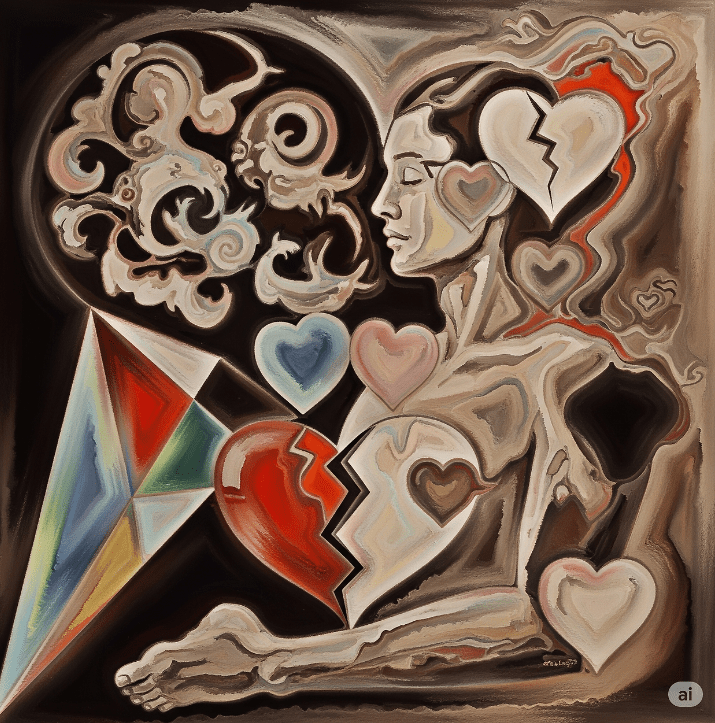
『Love Killa』
자아 VS. 무의식― 주도권을 쥔 건 누구인가?
제가 몬스타엑스를 알게 된 건 23년 11월이었습니다. 20년에 발매된 'Love Killa'였지만 저는 23년에야 유튜브를 통해 처음으로 접했습니다. (몬스타엑스라는 가수를 알게 되기까지의 여정이 있는데, 이 여정은 이글과 상관이 없으니 다른 글에서 다루겠습니다.)제 최애 곡 중 하나인 이 곡이 제게 준 첫인상은 영화 <미스터앤미세스 스미스/ Mr. & Mrs. Smith>를 그대로 음악화했다는 것이었습니다.
잠시 이 영화의 줄거리를 설명하면, 브래드 피트와 안젤리나 졸리가 서로 경쟁사의 킬러임을 숨기고 첫눈에 반해 사랑에 빠져 결혼합니다. 그러나 몇 년 후 권태기가 찾아오게 되고 둘 사이는 남보다 못하게 됩니다. 두 회사에서는 서로 상대의 킬러를 죽이라는 명령을 내렸고, 자신의 배우자가 바로 죽여야 하는 대상임을 알게 된 둘은 아슬아슬한 줄타기를 합니다. 영화의 클라이맥스에서는 정말 Love Killa 노래 가사처럼 반쯤 미쳐 주먹질과 총질을 해대며 싸웁니다. 그런데 이 싸움을 계기로 다시 사랑에 빠져 그 길고 지루했던 권태기를 극복합니다.
처음에는 저도 이렇게 이 노래를 극한으로 치닫는 사랑의 감정으로 알아 들었습니다. "오묘하게 움직여 like swish, 숨죽여 먹잇감을 사냥하듯이" 이 가사처럼 유혹과 지배가 얽힌 치명적인 러브 스토리와 관계가 그려졌죠. 그런데 어느 날 가사가 다르게 들리기 시작하면서 이 곡이 적어도 저에게는 '사랑 노래'가 아니었다는 것을 알게 되었답니다. 이 관계가 마치 자아와 무의식의 관계가 아닐까 하는 생각을 해 보게 된 것입니다.
무의식의 초대

 "Got room for one more?"

창균 님의 중저음이 멋진 목소리로 'Love Killa'의 시작을 알리는 "Got room for one more?"입니다. 이 가사는 무의식의 은밀하면서도 강력히 초대하는 것처럼 들립니다. 이 질문은 단순히 room이라는 공간을 묻는 것을 넘어, 자아가 지배하는 의식의 영역에 무의식이 자신의 존재를 드러내고 들어갈 여지가 있는지 묻는 듯합니다. 말투는 정중하지만, 자아를 시험하는 도전장 같은 느낌입니다. 프로이트나 융의 이론에서 무의식은 언제나 자아의 문턱을 넘으려고 하죠. 마치 의식의 문을 두드리며, 선택권을 자아에 주는 듯하지만, 이미 무의식은 '존재'로서 그 자리에 있을 가능성이 큽니다. 즉, 무의식이 자아에게 자신의 존재를 상기시키고, 억압된 내면의 공간에 대한 주도권을 서서히 요구하는 서막이 열리는 것입니다.

지금 글을 쓰면서 떠올려 보니, 창균 님 목소리가 이러한 무의식의 세계와 정말 잘 어울립니다.
무의식의 도발 :

"I'm sorry, did I make you anxious?"

상대의 의견 따위는 구하지 않는 물음. 마치 누군가가 자아에게 말을 거는 듯합니다. 어딘가 묘하고 기분 나쁘지만 동시에 귀를 닫고 무시할 수는 없는 그 말투. 이 말투는 상대에게 의문문을 던지는 것이 아니라 죄책감을 유도하거나 감정의 주도권이 본인에게 있음을 암시하는 무의식적인 언어로 느껴집니다. 말을 던진 이는 이미 정답을 알고 있습니다. 즉, '나는 너를 불안하게 만들고 있지, 그리고 그게 나야'라고 확신해 줍니다. 무의식은 검열하지 않습니다. 솔직합니다. 좋고 나쁨을 따지지 않습니다.

무의식은 자아보다 훨씬 깊고 넓습니다. 또한 자아가 인식하지 못한 정보와 감정으로, 어떤 상황에서는 자아의 의도를 무시하고 무의식적 충동이나 감정이 자아를 압도할 수도 있습니다. 심리학자 융은 무의식을 단순한 '숨겨진 감정'이 아니라 의식을 초월할 만큼 강력한 존재로 봤습니다. 무의식을 인식하고 받아들이지 않으면 그 무의식은 결국 자아를 덮쳐 그 사람의 삶을 좌지우지하게 됩니다.
폭발하는 본능 :

“I want you, eat me like a main dish”
“뜨거워 데일 듯해, hottish”
“난 좀 더 자극적인 걸 원해, hot”
이 부분은 할 얘기가 좀 많습니다. 전혀 막내 티 나지 않는 막내 창균 님의 파트입니다. 무의식이 자아의 표면으로 튀어나오는 모습이 연상됩니다. 자아가 억눌러온 무의식적 욕망이나 그림자가 순간적으로 격렬히 분출한 것이죠. 실제로 댄스로 표현될 때도 굉장히 가벼운 몸놀림으로 (화면을 보는 입장에서) 왼쪽 오른쪽으로 한 번씩 점프합니다. 마치 무의식이 의식의 틈을 비집고 올라와 '이게 나야!;라고 선언하는 장면 같습니다.
제가 처음 Love Killa 무대를 보고 놀랐던 점은 창균 님의 퍼포먼스였습니다. 보통 '러브라의 창균'에서는 섹시미를 많이들 이야기하지만, 저는 맨 처음 창균 님 퍼포먼스를 봤을 때, 섹시함 보다는 '자유'를 먼저 느꼈습니다. 특히 이 가사와 어우러지는 창균 님의 표정 연기에서 '나는 내가 원하는 대로 해, 누가 뭐라던!' 이라는, '싸이코스러운 자유'(?)를 즐기는 느낌을 받았기 때문입니다. 누구에게도 갈구하지 않는, 아니, 갈구할 필요 자체를 느끼지 못하는, 그저 대담하고도 자유스러운 이 가사와 창균님의 표정 연기를 보면서, '무의식은 의식이 억누르던, 잊은 척하던, 전혀 상관없이 자기 하고 싶은 걸 할 뿐이다'라는 의미로 저 가수의 퍼포먼스와 연기는 정말 탁월하다고 생각했습니다.
이 가사에서는 두 가지 욕망이 읽힙니다. 하나는 사랑을 빌미로 누군가를 지배하고 싶다는 욕망, 다른 하나는 본인 스스로 그 사랑에 잠식당하고 싶은 판타지스러운 욕망이 동시에 숨 쉬고 있습니다. (이런 양면적인 욕망을 다 표현할 수 있는 창균 님의 퍼포먼스는 정말 대단합니다.) 이런 이중적인 충동은 자아가 평소에 인식하지 못하거나 억누르려는 감정인데, 극단적인 상황이나 감정의 고조에서 갑작스럽게 표면화되곤 합니다. 그럼, 이때 의식은 무엇을 하고 있을까요? 그저, 그 장면을 바라보고 있을 뿐입니다.
무의식의 돌진과 도발

 "모든 걸 다 던져 (yah, 끝을 봐, 끝을 봐)"
"Now take a shot (take a shot), take a shot"
"악감정은 없어 (check 'em out, check 'em out)"
여기서 기현 님의 표정이 정말 모든 걸 내던질 듯한데요, 이 가사도 생각할 게 많이 있습니다. 먼저 이 부분은 무의식의 과감한 돌진과 자아를 향한 도발로 감정적 격투를 절정으로 이끕니다. "모든 걸 다 던져"는 무의식이 자아의 통제나 사회적 제약을 벗어던지고 내면에 숨겨진 욕망과 충동을 폭발시키려는 의지를 보여줍니다. 이는 합리적인 사고를 담당하는 자아에게 '이제 끝을 보자'라고 선언하는 듯한 모습입니다. 무의식은 더 이상 숨지 않고 자신을 완전히 드러내려 하기에 중요한 가사입니다.
이어지는 "Now take a shot (take a shot), take a shot"은 무의식이 자아에게 직접적인 도전을 던지는 장면입니다. '한 방 먹어봐라', '맞서 싸워봐라'는 듯한 무의식의 대담함이 느껴집니다. 실제로 안무도 약간 총 쏘려는 듯한 느낌이 있죠. 자아는 평소 무의식의 그림자를 억압하고 통제하려 하지만, 무의식은 오히려 자아에게 정면으로 맞설 것을 요구하며 그 존재감을 과시합니다.
그런데 여기서 "악감정은 없어 (check 'em out, check 'em out)"라는 가사는 흥미로운 반전을 제시합니다. 무의식이 폭력적이거나 파괴적인 것처럼 보이지만, 사실 자아에 대한 악의는 없다는 메시지입니다. 오히려 무의식은 자아에게 '너 자신의 본모습을 확인해 봐!!!'라고 외치는 것처럼 들립니다. 이는 미움이나 증오가 아닌, '진실을 드러내려는 본능적인 흐름'이라는 것을 시사합니다.
자아의 자각 :

"우린 전부 psycho, 반쯤은 나 미쳐"
리더 셔누 님이 부르는 부분입니다. 이 가사는 사람에게 내재된 어둡고 강렬한 감정들, 때로는 통제하기 어려운 충동적인 모습과 닮아 있습니다. 자아가 무의식에 휘둘리고 있거든요. 여기서 키포인트는, 자아가 무의식의 동향을 눈치챘다는 것이죠. 자아는 보통 "나는 괜찮아.", "난 이성적이야."라고 위장합니다. 그런데 여기서는 '반쯤은 나 미쳐'라는 구절에서 그 이면에 광기, 불안정성, 폭발 욕구가 깃들었다는 걸 인정합니다. 아직은 자아가 여전히 나를 지탱하고 있지만 사실 무의식이 절반 이상 잠식해 들어왔지요. 자아는 무의식의 충동을 무슨 정신이상쯤으로 포장하고 넘겨버리려 하지만, 그게 내 안에 있다는 걸 알게 된 순간 자기 방어선을 잃기 시작합니다.
전부 psycho : 무의식은 보편적이며, 누구에게나 어두운 본능은 있다.
반쯤은 나 미쳐 : 자아는 그 본능을 완전히 억누르지 못하고 이미 침투당하고 있다.
무의식의 선언 :

"더 날카롭게 갈기 세워"
"I'm a sava-savage"

다시 주헌 님의 랩 파트가 뾰족하게 뚫고 나옵니다. 무의식의 자가 선언입니다. "난 짐승이야!" 이런 암시는 통제된 자아가 아닌 원초적 본능에 가깝다고 봐야겠죠. 감정의 표현이 아니라 다시 한번 자아를 뚫고 튀어나온 무의식의 본성 그 자체라고 할 수 있습니다. '날카롭다' 'savage' 같은 단어는 모두 자극, 파괴, 공격성을 암시합니다. 명백한 무의식의 언어죠.

아름답고 잔인한 내면의 쟁투

 "잔인하고 아름다워, love killa, love killa (love killa)"
이 가사도 참으로 주목할 만 합니다. 이 곡 전체의 핵심 정서이자, 자아와 무의식의 관계의 본질을 요약하면서도 가장 극명하게 드러내는 부분이기 때문입니다.
"잔인하고 아름다워"라는 역설적인 표현은 내면에서 벌어지는 투쟁의 본질을 완벽하게 포착합니다. 무의식의 본능적인 충동과 자아의 합리적인 통제 사이의 갈등은 분명히 잔인할 만큼 고통스럽고 혼란스러울 수 있습니다. 융은, “그림자와의 만남은 괴롭지만, 거기서부터 변화가 시작된다.”라고 했습니다. 자아가 억압했던 그림자가 표면으로 드러날 때, 우리는 불편함과 두려움을 느낄 수밖에 없습니다. 이는 스스로의 어두운 면을 직면하는 과정의 잔혹성을 의미합니다.
하지만 동시에 이 과정은 "아름답다"라고 표현됩니다. 왜 아름다울까요? 무의식은 때때로 자아에게 너무하다 싶을 정도로 잔인합니다. 자아가 부정하고 억압했던 감정, 상처, 기억들을 아무런 필터 없이 들이밀어 버립니다. 그러나 바로 그 ‘잔인함’ 속에 자기 진실의 아름다움이 숨어 있으며, 이는 곧 '통합'의 과정이기도 합니다.
융의 심리학적 관점에서 볼 때, 진정한 자기(Self)를 찾아가는 과정은 무의식의 그림자를 '통합'하는 것을 포함합니다. 통합은 늘 고통스럽지만, 그 끝에 우리가 진짜 나로 살아갈 수 있는 길이 열리게 됩니다. 이 잔인하면서도 아름다운 과정이야말로 진정한 '나'를 찾아가는 찰나의 미학이며, 우리가 회피할 수 없는 숙명적인 내면의 '킬러'인 동시에 '사랑'인 이유입니다.
'Love Killa'라는 이름처럼, 이 내면의 투쟁은 결국은 더 큰 자기 사랑을 위한 자기 파괴이자 재창조의 과정인 셈입니다.
영원한 투쟁 :

“서로를 향해 겨눈 순간"
"알다시피 우린 절대 서로를 놓지 못해”
셔누 님이 부르고 민혁 님으로 넘어가는 구간입니다. '서로'는 연인 관계일 수도 있으나, 의식과 무의식으로 읽을 수 있습니다. 끝까지 서로를 조준한 채 떨어질 수 없는 싸움을 벌이는 관계입니다. 위에서 말씀드린 영화 <미스터앤미세스 스미스/ Mr. & Mrs. Smith >를 떠올리시면 쉽게 이해되는 장면일 거 같습니다. 대립하면서도 공존하고, 파괴하면서도 끌리는 이중 구조로, 정확히 융이 말한 '자기 그림자와의 투쟁'입니다.
그림자는 우리가 의식적으로는 인정하지 않지만 무의식 속에 억눌러 둔 '자기 자신'입니다. 인정받고 싶은 마음, 질투, 권력욕, 혹은 상처받은 내면 아이까지 모두 자아가 누르고 있습니다. 우리는 사회적 자아를 유지하기 위해 이 그림자를 억압하지만, 이 그림자는 사라지지 않고 무의식 속에 살아남아 때로는 폭발해서 자신을 당황시키기도 합니다. 그러나 정 반대로 예술로 승화되어 나타나기도 합니다.
서로를 향해 겨눈 순간은 자아가 무의식을 정면으로 마주한 순간이며, 아마 자기 그림자를 자각한 순간이지 않을까요? 이때부터 치열한 투쟁이 시작됩니다. 자아는 자기를 늘 '정상'이라고 생각하고 그림자는 '수치심'의 대상이기 때문입니다. 그러나 무의식은 포기하지 않습니다. 오히려 자기를 드러내기 위해 사랑 같은 감정, 예술, 충동을 모두 빌려 계속 자아를 밀고 올라옵니다.
"알다시피 우린 절대 서로를 놓지 못해”는 전체 Love Killa의 자아와 무의식 대결 구도의 핵심이라고 보입니다. 자아는 그림자를 지우고 싶지만, 그림자는 자아가 소멸되지 않으면 소멸하지 않기 때문에 둘은 애증처럼 서로를 쥐고 싸우면서도 놓지 못하는 관계가 됩니다. 사랑처럼 끌리지만 동시에 깊은 상처를 주는 관계입니다. 무의식과 의식이 동시에 작동하는 모순적 상태에 놓입니다.
문득, "싸우면서 친해진다"는 격언이 떠오릅니다. 융은 '우리는 자기 그림자와 싸우지만 그 싸움을 통해 진정한 자기를 만나게 된다'라고 했습니다. 러브킬라는 결국 내가 진정으로 나를 사랑하기 위해, 내 여러 모습이 여러 감정과 싸워가는 과정에서 만나게 되는 자아와 무의식의 모습 아닐까요?
여기까지 글을 읽어 주셨다니,
글을 좋아하시는 분이 틀림없습니다.
감사합니다
[문의]
zuozhe0513@gmail.com
geumjooeun_insta DM
Hello, this is Geum Joo-eun. I’ve come to realize that the Monsta X songs I enjoy listening to aren’t actually ‘love songs.’ Of course, the lyrics and melody clearly sound like they’re talking about passionate love. But as I listen closely and ponder, I get the feeling that the message of these songs is directed not at an external ‘someone, ‘ but at myself, my inner being. Through a few Monsta X songs that serve as excellent tools for inner exploration, even without explicit phrases like ‘Who am I?’ or ‘Do I exist?’ in the lyrics, I want to talk about the journey of self-discovery I’ve found. Today, as the first part of this story, I’ll deconstruct and discuss ‘Love Killa’—a song that contains an inner struggle hidden within its fatal charm—from my perspective.

『Love Killa』
Ego VS. Unconscious — Who Holds the Reins?
I discovered Monsta X in November 2023. I first encountered ‘Love Killa, ‘ released in 2020, through YouTube. (There’s a journey to how I came to know Monsta X as a group, but that’s irrelevant to this article, so I’ll cover it in another post.) This song, one of my favorites, initially reminded me of the movie Mr. & Mrs. Smith. To briefly explain the plot of this movie: Brad Pitt and Angelina Jolie fall in love and marry, unbeknownst to each other that they are rival assassins. However, they soon face a rut in their marriage, becoming more estranged than strangers. Both their companies order them to kill the other’s assassin. In this process, they fight fiercely, half-mad, with fists and guns, just like the lyrics of ‘Love Killa,’ only to fall back in love and overcome their rut. (Perhaps there was also an acknowledgment of each other’s skill—that they wouldn’t accidentally kill each other—and the gunfight wasn’t meant to be fatal.)
At first, I also interpreted this song as an emotion of love reaching its extreme. A fatal relationship, entangled with temptation and dominance, was depicted, just like the lyric, “Moves subtly like swish, hunting prey holding its breath.” But one day, the lyrics started to sound different, and I realized that, at least for me, this song wasn’t a ‘love song.’ I began to think that this relationship was perhaps like that between the ego and the unconscious.
Just before the lyric mentioned above, Jooheon asks:
The Unconscious's Invitation

"Got room for one more?"
Changkyun’s captivating low voice signals the start of ‘Love Killa’ with “Got room for one more?” This lyric sounds like a subtle yet powerful invitation from the unconscious. This question isn’t merely asking about physical space; it feels as though the unconscious is asking if there’s room for it to reveal its presence within the ego-dominated realm of consciousness. It’s like knocking on the door of consciousness, politely asking for a choice, yet the unconscious likely already exists there as a ‘presence.’ That is, the unconscious reminds the ego of its existence and gradually demands dominance over the repressed inner space, marking the opening act of this struggle.
As I write this, I realize Changkyun’s voice somehow aligns well with the world of the unconscious.
The Unconscious's Provocation

"I'm sorry, did I make you anxious?"
A question that doesn’t solicit the other’s opinion. It’s as if someone is speaking to the ego. A subtle, unpleasant tone that you can’t ignore or close your ears to. This tone feels like an unconscious language that isn’t asking a question but inducing guilt or implying that the speaker holds the emotional upper hand. The one who poses the question already knows the answer. In other words, it confirms, ‘I am making you anxious, and that’s me.’ The unconscious doesn’t censor; it’s honest. It doesn’t judge good or bad.
The unconscious is much deeper and broader than the ego. It contains information and emotions that the ego doesn’t recognize, and in certain situations, unconscious impulses or emotions can override the ego’s intentions. Psychologist Jung viewed the unconscious not merely as ‘hidden emotions’ but as a powerful entity that transcends consciousness. If the unconscious is not recognized and embraced, it can eventually overwhelm the ego and control one’s life.
Exploding Instinct

“I want you, eat me like a main dish”
“뜨거워 데일 듯해, hottish”
“난 좀 더 자극적인 걸 원해, hot”
There’s a lot to say about this part. This is I.M.’s (Changkyun’s) part, who doesn’t seem like the youngest at all during the ‘Love Killa’ performance. It evokes the unconscious erupting onto the surface of the ego. It’s the moment when repressed unconscious desires or the shadow intensely burst forth. In the dance, too, he performs very light movements, jumping left and right once (from the viewer’s perspective). It’s as if the unconscious is pushing its way through the cracks of consciousness to declare, ‘This is me!’
What surprised me when I first watched the ‘Love Killa’ performance was I.M.’s performance. His facial expressions, combined with these lyrics, gave me the feeling of ‘I’ll do what I want, no matter what anyone says!’ As I continued to watch this bold and free lyric and I.M.’s facial expressions, I thought, ‘The unconscious simply does what it wants, regardless of what consciousness suppresses, forgets, or pretends not to care about.’ This was truly suitable performance and acting for that meaning.
Two desires can be read in these lyrics: the desire to dominate someone under the guise of love, and a fantastical desire to be consumed by that love oneself, simultaneously breathe within. Such dual impulses are emotions that the ego usually doesn’t recognize or tries to suppress, but they tend to surface suddenly in extreme situations or during emotional surges. At this point, what does consciousness do? It merely observes the scene.
The Unconscious's Charge and Provocation

 "모든 걸 다 던져 (yah, 끝을 봐, 끝을 봐)"(Throw everything yah, see the end, see the end)"
"Now take a shot (take a shot), take a shot"
"악감정은 없어 (check 'em out, check 'em out)" (No hard feelings)
"Now take a shot (take a shot), take a shot"
Here, Kihyun’s expression truly looks like he’s throwing everything away. These lyrics describe the unconscious’s daring charge and provocation towards the ego, bringing the emotional battle to a climax. “Throw everything” shows the unconscious’s will to cast off the ego’s control and societal restraints, exploding with hidden desires and impulses. This feels like a declaration to the rational ego, “Let’s see this to the end.” The unconscious no longer hides but fully reveals itself.
The subsequent “Now take a shot (take a shot), take a shot” is the unconscious directly challenging the ego. There’s a daring sense from the unconscious, as if saying, “Take that!” or “Fight me!” While the ego usually suppresses and controls the unconscious’s shadow, the unconscious instead demands a direct confrontation, asserting its presence.
However, the lyric “No hard feelings (check ’em out, check ’em out)” presents an interesting twist. Although the unconscious may seem violent or destructive, it delivers a message that it bears no ill will towards the ego. Instead, it sounds like the unconscious is shouting to the ego to “check out its true self.” This suggests it’s not about hatred or malice, but rather a ‘natural flow of instinct to reveal the truth.’
Furthermore, this aligns with Jung’s concept of the shadow. The shadow is not merely a negative entity; it is simply a part of oneself that the ego has ignored and repressed. The unconscious isn’t trying to destroy the ego; it can be interpreted as sending an unspoken message to accept and integrate itself, thereby discovering the true self.
Ego's Realization

"우린 전부 psycho, 반쯤은 나 미쳐" (We're all psycho, I'm half-crazy)
This is the part sung by the leader, Shownu. These lyrics resemble the dark and intense emotions inherent in people, sometimes uncontrolled impulses. The ego is being swayed by the unconscious. The key point here is that the ego has noticed the unconscious’s moves. The ego usually pretends, “I’m okay, ” “I’m rational.” And in the phrase ‘I’m half-crazy, ‘ it admits that behind that facade, madness, instability, and destructive urges reside. The ego is still supporting ‘me, ‘ but in reality, the unconscious has already infiltrated more than half of it. The ego tries to dismiss the unconscious impulses as some kind of mental illness, but the moment it realizes they exist within, it begins to lose its self-defense.
전부 psycho (We’re all psycho): The unconscious is universal, and everyone has dark instincts.
반쯤은 나 미쳐 (I’m half-crazy): The ego cannot completely suppress these instincts and is already infiltrated.
The Unconscious’s Declaration “더 날카롭게 갈기 세워” (Sharpen my claws even more) “I’m a sava-savage”
This is Jooheon’s rap part again. It’s the unconscious’s self-declaration. “I’m a beast!” Such an implication should be seen as raw instinct rather than a controlled ego. It’s not an expression of emotion but the very nature of the unconscious, once again bursting through the ego. Words like ‘sharp’ and ‘savage’ all imply stimulation, destruction, and aggression. They are clearly the language of the unconscious.
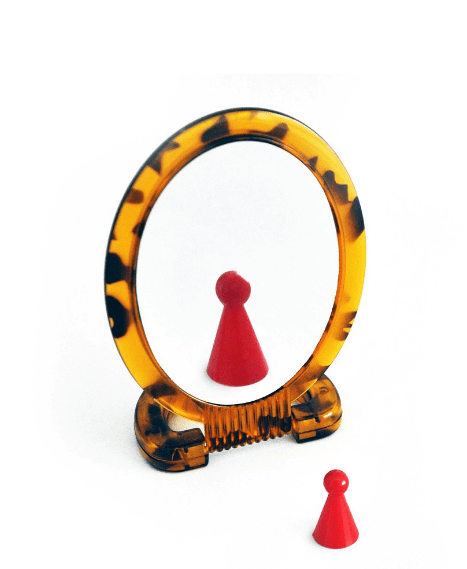
The Cruel Yet Beautiful Inner Conflict

 "잔인하고 아름다워, love killa, love killa" (Cruel and beautiful)
This lyric truly offers a lot to ponder. It encapsulates the core sentiment of the entire song and most vividly summarizes and reveals the essence of the relationship between the ego and the unconscious.
The paradoxical phrase “cruel and beautiful” perfectly captures the nature of this inner struggle. The conflict between the unconscious’s instinctive impulses and the ego’s rational control can undeniably be as cruel as it is painful and chaotic. Jung stated, “The meeting with the shadow is the pain, but from there, change begins.” When the shadow, which the ego has repressed, surfaces, we can’t help but feel discomfort and fear. This signifies the brutality of confronting our own darker aspects.
However, this process is simultaneously described as “beautiful.” Why beautiful? The unconscious can sometimes be excessively cruel to the ego. It confronts us with emotions, wounds, and memories that the ego has denied and repressed, without any filter.
Yet, within that very ‘cruelty’ lies the beauty of self-truth, and this is precisely the process of ‘integration.’ From a Jungian psychological perspective, the journey to finding the true Self involves ‘integrating’ the shadow of the unconscious. Integration is always painful, but it’s at its conclusion that the path to living as our authentic selves opens up. This cruel yet beautiful process is the momentary aesthetic of discovering our true selves, and it’s why this unavoidable inner ‘killer’ is simultaneously ‘love.’
Just as the name ‘Love Killa’ suggests, this internal struggle ultimately represents a process of self-destruction and re-creation for a greater self-love.
Eternal Struggle

“서로를 향해 겨눈 순간" (The moment we aimed at each other)
"알다시피 우린 절대 서로를 놓지 못해” (As you know, we can never let each other go)
This section transitions from Shownu’s part to Minhyuk’s. ‘Each other’ could refer to lovers, but it can also be interpreted as consciousness and unconsciousness. It’s a battle where they constantly aim at each other, unable to break free. It might be easier to understand this scene if you recall the movie Mr. & Mrs. Smith mentioned earlier. This is a dual structure of opposition and coexistence, destruction and attraction, precisely what Jung called ‘the struggle with one’s own shadow.’ The shadow is our ‘self’ that we consciously don’t acknowledge but repress in the unconscious. The desire to be recognized, jealousy, lust for power, or even the wounded inner child—all are suppressed by the ego. We suppress this shadow to maintain our social self, but it doesn’t disappear; it survives in the unconscious and sometimes explodes. Conversely, it can also manifest as sublimated art.
“The moment we aimed at each other” is when the ego confronts the unconscious head-on, perhaps the moment it becomes aware of its own shadow. Because from this point, a fierce struggle begins. The ego always considers itself ‘normal, ‘ and the shadow is a source of ‘shame.’ However, the unconscious does not give up. Instead, it continuously pushes up to reveal itself, borrowing emotions like love, art, and impulses.
“As you know, we can never let each other go” seems to be the core of the ego-unconscious confrontation structure in the entire ‘Love Killa.’ The ego wants to erase the shadow, but the shadow cannot disappear unless it becomes the ego, so they become an ambivalent relationship, holding onto each other and fighting, yet unable to let go. It’s a relationship that attracts like love but simultaneously inflicts deep wounds. They are in a contradictory state where both the unconscious and consciousness operate simultaneously.
‘Love Killa’ is a truly fascinating song. The shadow aspects hidden within the emotion of love—such as the desire for dominance, anxiety, jealousy, and destructive instincts—are carefully packaged by consciousness. However, these emotions, wearing the mask of love, burst forth as the language of the unconscious, overwhelming the ego. This song is a work that unravels this very process through its lyrics.
Suddenly, the elders’ saying, “You get closer by fighting, ” comes to mind. Jung said, “We struggle with our shadow, but through that struggle, we meet our true self.” In the end, isn’t ‘Love Killa’ a depiction of the ego and the unconscious meeting each other in the process of my various selves fighting various emotions to truly love myself?
[ Inquiries]

zuozhe0513@gmail.com
geumjooeun_insta DM (Direct Message on Instagram)
 금주은 하우스
댓글 남기기